Substation Maintenance
Substation maintenance involves periodic planned inspections, checking, testing and troubleshooting, to ensure the correct operation of all components and their interaction. Typical inspection and diagnosis processes include, among others, transformers, breakers, protection relays, overhead lines and switchgear in general. In order to perform these actions, extensive knowledge is required on the operation and maintenance of these components.
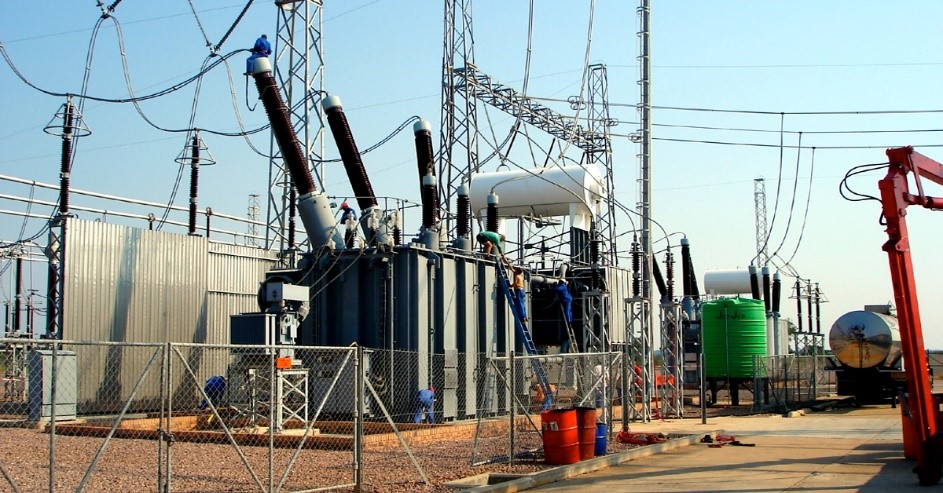
The courses in this area of expertise provide a comprehensive insight into operation of switchgear, transformers, overhead lines and relay protection, required testing regime and effective maintenance program for each of the substation components. It provides very practical guidance for safety, maintenance scheduling, operational and testing procedures, troubleshooting and interpreting test results, required to achieve long service life and uninterrupted operation of substations.
The following courses fall in this group:
SG101 SWITCHGEAR OPERATING PRINCIPLES
• Terminology, classification and application
• Basic operating principles
• Indoor/outdoor AIS, HIS and GIS and their applications
• Indoor MV switchgear
• Location and identification of switchgear components
SG102 SWITCHGEAR SAFETY & PROTECTIVE MEASURES
• Danger to the operators
• Types of operating areas
• Protective measures for personnel
• Safety measures for operating rooms
• Interlocking. Racking in and out of service
SW103 SWITCHGEAR LIFE EXTENSION & MAINTENANCE
• Life extension of MV switchgear equipment
• Visual switchgear inspection
• Switchgear and circuit breakers maintenance
TR201 TRANSFORMER CONSTRUCTION
• Transformer's Main components
• Auxiliary equipment and fittings
• Insulation system and cooling
• Transformer manufacturing
• Understanding transformer nameplates
TR202 TRANSFORMER TESTING & MONITORING
• Types of tests and their application
• Field testing: oil, DGA and electrical testing
• Condition monitoring inspections
• Complete physical examination
• Practical guide for interpreting transformer test results
TR203 TRANSFORMER OPERATION & MAINTENANCE
• Aspects of proper transformer operation
• Maintenance program and activities
• Transformer life extension
• Practical guide for transformer maintenance
MS301 OHL MAINTENANCE
• OHL performance, faults and inspection
• Maintenance of insulators, conductors & hardware
• Corrosion protection
• Foundation and pole maintenance
• Overview of environmental management
Engineers that complete all courses in this group would obtain skills required to work in substation maintenance, as Substation Engineers, and would position themselves to become Senior Design Engineers: Substation by completing additional courses on Substation Design (SD401 - 404) and Construction Management (CM501 – 504).
A detailed description of the courses and how they can support your development plan can be found in the program. The event calendar can be found in the schedule. You may register to attend a particular course, subscribe or follow us on Facebook or LinkedIn to receive event updates. For more information and for in-house training please contact us on training@matrex-e.com.